
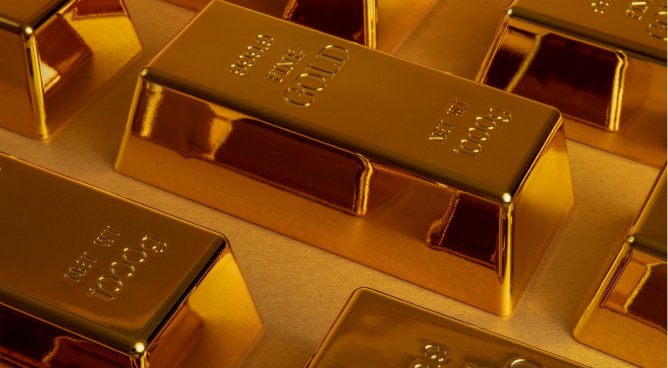
When financial systems falter, currencies devalue, and inflation eats away at purchasing power, one type of asset has consistently held its ground: precious metals. For centuries, these rare resources have served not just as raw materials for jewelry or industry, but as pillars of economic security.
In today’s uncertain global economy and especially within the context of Indonesia’s inflation history and the volatility of the rupiah, investing in precious metals isn’t just a luxury; it’s a smart hedge against instability.
What Are Precious Metals?
Precious metals are rare, naturally occurring metallic elements that hold significant economic value. Unlike industrial metals like iron or aluminum, precious metals are not abundant, and their unique chemical properties make them ideal for a wide range of uses, from electronics to monetary systems to investment.
They’re classified based on their rarity, utility, and desirability in both commercial and financial markets.
Types of Precious Metals
The most common precious metals include:
- Gold (Au): Universally recognized for its value and stability, gold has been used as money and a store of wealth for thousands of years. It doesn’t tarnish, corrode, or decay, making it nearly eternal.
- Silver (Ag): More abundant than gold but also more volatile. Silver is heavily used in industries like solar panels, electronics, and medical devices, which makes it a hybrid between a precious and industrial metal.
- Platinum (Pt): Rare and highly valuable, platinum is often used in catalytic converters, jewelry, and even medicine. Its price tends to outpace gold in times of industrial demand.
- Palladium (Pd): Similar to platinum in use, palladium has recently gained attention for its rising demand in the automotive sector.
Each metal has its own market dynamics, but all share a key trait: they are real assets that retain intrinsic value, no matter what happens in the stock market or political arena.
A Brief History of Precious Metals
Precious metals have a long-standing legacy as a medium of exchange and store of value. Civilizations from ancient Egypt to the Roman Empire used gold and silver coins to facilitate trade and accumulate wealth. Even modern global monetary systems were once pegged to gold (the gold standard), until fiat currencies—paper money not backed by physical commodities—took over in the 20th century.
Yet even in today’s digital economy, when currencies fail or governments lose trust, gold and silver tend to resurface as the fallback. It’s not nostalgia—it’s historical evidence. Precious metals outlast regimes, revolutions, and recessions.
Precious Metals and Wealth Preservation
One of the core reasons investors turn to precious metals is protection against inflation and currency devaluation. When paper money loses its buying power, hard assets like gold gain in relative value.
Indonesia: A Case in Point
Indonesia has seen its share of economic turbulence. In 1998, during the Asian financial crisis, the rupiah collapsed from around 2,000 IDR/USD to over 16,000 IDR/USD in a matter of months. Inflation soared above 75%. During this time, Indonesians who held cash saw their wealth evaporate. But those who had invested in gold or silver preserved their purchasing power, and in many cases, saw it grow.
Even in more recent years, the rupiah has remained vulnerable to external shocks. The COVID-19 pandemic, global interest rate hikes, and geopolitical tensions have all taken their toll. Inflation in Indonesia, while generally moderate, spikes during energy or food supply disruptions. These fluctuations put everyday savers and long-term investors at risk.
That’s where precious metals come in.
Gold vs. Rupiah: A Quick Comparison
If you had bought 1 gram of gold in 2000, it would’ve cost you roughly Rp 50,000. Today, that same gram of gold is worth over Rp 1,200,000—a 2,300% increase in 25 years. That’s not just appreciation; it’s insurance against devaluation. The point is not that gold is a speculative investment. It is that while paper currencies lose value over time, gold does not. It holds its purchasing power across generations, political regimes, and economic cycles.
Who Should Invest?
Precious metals are not just for central banks or high-net-worth individuals. Retail investors, small business owners, and even young professionals can benefit from holding a portion of their assets in physical gold or silver. Investment vehicles range from coins and bullion to gold-backed ETFs and precious metal savings programs.
Allocating just 5 to 15 percent of a portfolio to precious metals can improve diversification, reduce risk, and provide liquidity during crises. Physical gold, in particular, is portable, universally recognized, and free from counterparty risk.
The Bottom Line
In a world where financial systems are increasingly complex and often opaque, precious metals remain simple, tangible, and trustworthy. They are not a magic bullet. But they are a tested strategy for preserving wealth, especially in countries like Indonesia where economic volatility is part of the landscape.
Gold and its counterparts do not promise growth. What they promise is resilience. And in uncertain times, that may be the most valuable asset of all.